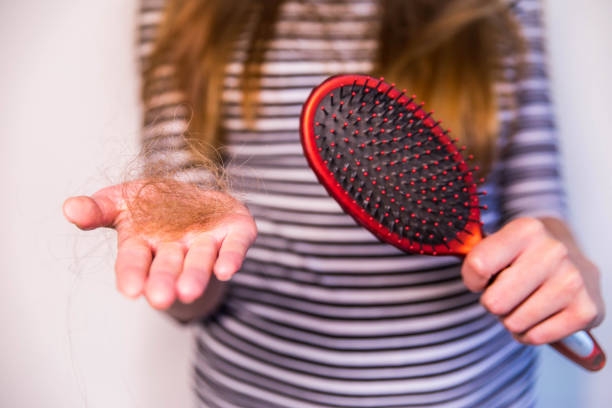
Just like with your natural hair, shedding is completely normal even with hairpieces. However, there are times where you may notice that your particular hairpiece is shedding a lot more than usual or a lot more than expected.
EnvyToppers is taking a look at six possible reasons your hairpiece could be shedding — including the most common cases by base — as well as tricks to avoid this from happening.
#1 Water Damage
A soaked base can be a major reason for hair shedding. That’s because the water — whether it’s from a shower or a swim — can cause swelling on the base, especially if it’s a skin base. This, in turn, makes the grip power of the hair looser and ultimately leads to shedding. Avoid touching your hair immediately after it gets wet and wait for it to be completely dry.
Another factor is the water hardness level. Hard water is water that contains a buildup of minerals like calcium and magnesium and is usually found in mountainous states and regions. When it makes contact with your hair when you're washing it, hard water produces a film which makes it difficult for moisture penetration. The end result? Your hair is dry and prone to breakage and shedding. Consider a hard water softener or filter for your shower.
#2 Oil Damage
The oil produced naturally by your scalp as well as the slippery, oily coating from silicone-based shampoos and conditioners can also cause hair shedding. This oily film acts as a lubricant as while it makes your hair smoother, it also loosens the knots to the base and leads to hair fall.
One way to combat this is to use non silicone-based shampoos and conditioners. Additionally, spray-on leave-in conditioner prevents your roots from making contact with any silicone ingredient.
You can also use a scalp protector to decrease the amount of oil you produce while deep cleaning your scalp can also take away the oils from your pores.
#3 Physical Force
You may be causing the hair shedding yourself depending on how much force you are putting on your hairpiece. Things like scratching your head, how you’re sleeping (the material of your pillow rubbing against the hair), wearing a tight hat, tying or braiding your hair, forcing it to be combed or stretching the base can all weaken your hair and cause it to fall off.
To counter this, notable best practices are to never wear a hat when you have a hairpiece on, invest in a silk pillowcase, never comb your hair after a shower when it’s still wet and to never — or try to reduce — how much you sleep with a full cap wig or long hair hairpiece as this can cause your hair to tangle and shed.
#4 Heat
Heat can also cause hair shedding. Factors such as where you live will play a role, but other factors such as blow drying your hair the wrong way, overdoing it or not protecting your hair before applying heat can either overdry your hair or cause it to be brittle.
That’s because heat will break down the hydrogen bond which makes up a third of your hair’s strength. Instead, air dry if possible or use the cold setting on your blow dryer. You can also invest in heat-protection creams or sprays that are designed to protect your hair when you apply heat.
#5 Chemicals
Like hydrogen bonds, sulfur bonds also hold together the protein structures of your hair. And they can be affected by chemical agents like perms, bleach, relaxers and coloring among others.
If you can avoid it, try not to use these chemical agents on your hair to prevent hair shedding. But if you absolutely require it, you will have to accept that you will experience hair fall.
#6 Light
UV (ultraviolet) light can also cause your hair to fall. If your hair has prolonged exposure to the sun, the UV rays can damage your hair whether by discoloration, thinning, frizziness or causing split ends or dry and brittle strands. So if you’re out and about for much of the day, try and avoid exposure to the sun as much as possible.
Your lights at home can also contribute, however. Fluorescent lights usually emit a small amount of UV light and could potentially cause discoloration or damage to your hair. Instead, invest in UV-reducing or UV-free light alternatives.
After reading this article, you should have a better idea of what can cause hairpieces to shed excessively and ways you can prevent this. Generally, any activities that can potentially damage the strength of the knots or the hair itself can lead to an increase in shedding. Even activities like sleeping in your hairpieces can cause a lot of pulling as you toss and turn at night. A human hair pieces is an excellent investment for someone who is looking for a long-term solution to their hair loss. However, it requires diligent and delicate care to ensure that your piece will stay in its beautiful condition for a long time to come.